
- August 17, 2026
- Posted by: admin
- Category: Employment Law
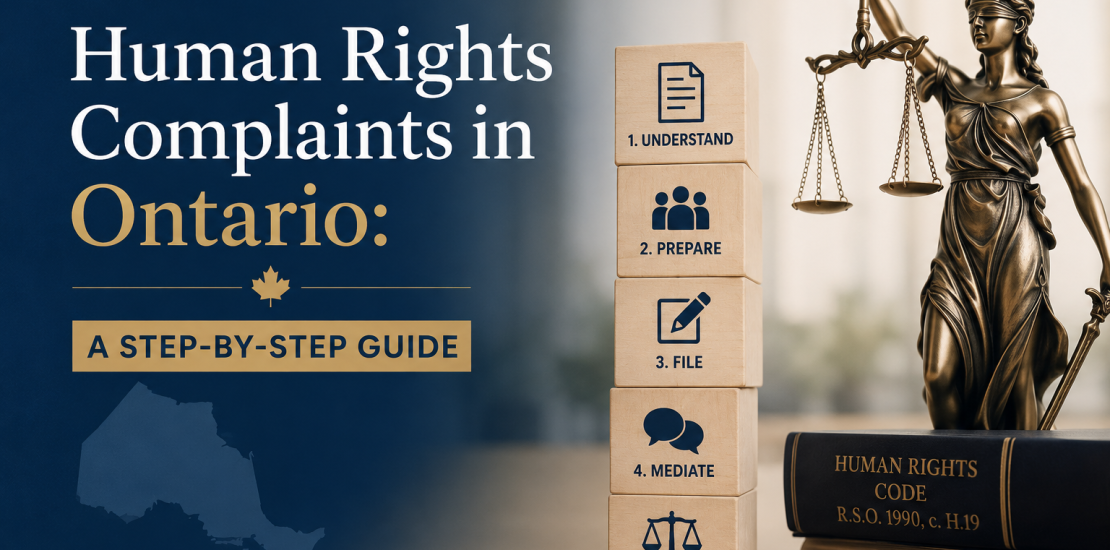
Everyone in Ontario has the right to fair treatment and equal rights. If you face unfair treatment because of a protected personal trait, you may be able to make a human rights complaint Ontario application. Human rights rules help protect people from discrimination in areas such as work, housing, education, and services.
The complaint process can seem hard at first. However, understanding each step can make it easier to know what to do and what to expect. This guide explains the main steps involved in making a human rights application in Ontario in simple terms.
What Is a Human Rights Complaint?
A human rights complaint is a formal way to say that your rights may have been violated. In Ontario, many human rights issues are covered by the Ontario Human Rights Code. The Code protects people from discrimination and harassment in certain areas of daily life.
For example, you may have a concern about how you were treated at work, by a landlord, at school, or while receiving a service. However, not every unfair situation is a human rights issue. The treatment must usually be connected to a protected personal trait under the Code.
The Ontario Human Rights Tribunal handles applications about alleged violations of human rights in Ontario. It reviews the information from both sides and can help resolve the matter.
What Types of Discrimination Can Lead to a Complaint?
Discrimination can happen in many parts of everyday life. Understanding where it can happen can help you decide whether your situation may be covered by Ontario human rights law.
Discrimination at Work
Workplace discrimination may happen during hiring, employment, promotion, or termination. It may also involve unfair treatment, harassment, or a failure to provide a reasonable change for a person’s needs.
For example, an employee may believe they were treated differently because of a protected personal trait. A person may also have concerns if their employer refuses to make a reasonable change that would allow them to do their job.
Discrimination in Housing
Housing is another area where human rights rules may apply. A landlord cannot treat someone unfairly for a reason protected under the Ontario Human Rights Code.
Problems may involve renting a home, living in a rental property, or dealing with a landlord. If you believe you were refused housing or treated differently because of a protected trait, you may have grounds to seek help.
Discrimination When Using Services
Human rights protections can also apply when people receive goods, services, or facilities. This can include services from businesses, schools, health providers, and other organizations.
For example, if a person believes they were denied a service because of a protected trait, they may be able to take action under Ontario’s human rights rules.
Step 1: Find Out If Your Rights Were Affected
The first step is to look closely at what happened. Write down what the other person or organization did, when it happened, and why you believe it was connected to discrimination.
Think about whether the issue relates to a protected trait under the Ontario Human Rights Code. It is also important to consider where the incident happened because human rights protection applies to specific areas.
Not every disagreement, rude comment, or unfair decision is covered by human rights law. The facts of your situation matter. If you are not sure whether your situation is covered, getting legal advice can help you understand your options.
Step 2: Collect Information and Evidence
Good records can help support your case. Keep copies of emails, letters, text messages, workplace records, notices, and other documents related to the issue.
You should also write down important dates and details while they are still fresh in your mind. Include what happened, who was involved, and what was said or done.
If someone saw the incident, keep a record of their name and contact details when appropriate. Other records may also help show what happened.
Having clear information can make the filing process easier. It can also help you explain your concerns clearly if the matter moves forward.
Step 3: Try to Resolve the Problem
Depending on your situation, you may want to try to resolve the problem before making a formal application. This could mean speaking with the employer, landlord, service provider, or another person involved.
Explain what happened and what you believe should be done to correct the problem. Keep your communication clear and respectful.
However, you should only take this step if you feel safe doing so. You are not required to put yourself at risk to resolve a human rights issue. You should also be aware of any time limit that may apply to your situation.
Step 4: File an Application With the HRTO
If the issue cannot be resolved, you may consider filing an application with the Ontario Human Rights Tribunal. The Tribunal is responsible for hearing human rights applications that fall within its legal authority.
The filing process requires you to provide information about what happened and explain why you believe your human rights were affected. You should provide clear facts and include documents that support your application when needed.
It is important to make sure your information is accurate and complete. Avoid adding unrelated details. Focus on the events that support your human rights claim.
You should also pay close attention to the time limit for filing. In many cases, an application must be filed within one year of the incident or last incident. Some exceptions may apply, so it is important to check the current rules for your situation.
Step 5: Respond to the Other Side
After an application is filed, the other party may have an opportunity to respond. For example, if your application concerns an employer, landlord, or service provider, that party may be asked to provide its response.
Both sides may need to provide information and documents. You may also receive directions from the Tribunal about what you need to do next.
Following these directions is important. Missing a deadline or failing to provide requested information may affect how your case moves forward.
Keep copies of everything you send or receive. Staying organized can help you follow the process and prepare for the next step.
Step 6: Take Part in Mediation or a Hearing
The Tribunal may offer mediation to help both sides reach an agreement. Mediation is a process where the parties try to settle the dispute with the help of a neutral person.
Mediation can be useful because it gives both sides a chance to discuss the issue and look for a solution. If an agreement is reached, the case may end without a hearing.
If the matter is not settled, it may move to a hearing. During a hearing, both sides can present their information and explain their position. The Tribunal then considers the evidence and makes a decision based on the facts and the law.
The exact process can vary depending on the case. It is important to follow the instructions given by the Tribunal throughout the process.
What Happens After a Human Rights Complaint?
A human rights case can end in different ways. The parties may reach an agreement through mediation or another settlement process. If the case goes to a hearing, the Tribunal may make a decision after reviewing the information from both sides.
If the Tribunal finds that a person’s rights were violated, it may order a remedy. Depending on the facts, this may include money or other steps meant to address the harm or prevent the problem from happening again.
The result depends on the facts of each case. Filing an application does not guarantee a specific outcome.
How Long Do You Have to File a Human Rights Complaint in Ontario?
Time limits are an important part of a human rights complaint Ontario case. In general, an application to the Ontario Human Rights Tribunal must be filed within one year of the incident or last incident.
Waiting too long can make it harder to bring a claim. There may be limited situations where a late application can still be accepted, but you should not rely on an exception.
If you believe your human rights have been violated, it is better to learn about your options as soon as possible. This gives you more time to collect records, understand the process, and prepare your application.
Common Mistakes to Avoid
One common mistake is waiting too long before taking action. Time limits can affect your ability to file an application.
Another mistake is failing to keep records. Important emails, messages, letters, and other documents can help explain what happened.
You should also avoid making claims that are not supported by facts. A clear explanation of the events is more useful than adding information that does not relate to your case.
Missing Tribunal deadlines can also cause problems. Read all notices carefully and complete each required step on time.
When Should You Get Legal Help?

You can consider getting legal help if you are unsure about your rights or the complaint process. Legal representation may be helpful when your case is complex, the other side has a lawyer, or the possible outcome is important to you.
A lawyer or legal clinic can help you understand the facts of your case and explain your options. They may also help you prepare documents, respond to the other side, or prepare for mediation or a hearing.
You do not always need a lawyer to make a human rights application. However, getting advice can help you understand the process and make informed choices.
Final Thoughts
Making a human rights application may seem hard, but knowing the steps can make it easier. Start by looking at what happened and checking if your issue may be covered by Ontario’s human rights rules.
Keep all important records, know the time limits, and follow the steps given by the Ontario Human Rights Tribunal. If you are not sure about your rights or need help with your case, contact us to learn more about your options.
A human rights complaint Ontario application is an important step. Learning about the process can help you understand your rights and decide what to do next.
FAQs
1. What is a human rights complaint in Ontario?
A human rights complaint is a formal application made when someone believes they were treated unfairly because of a protected personal trait.
2. Where do I file a human rights complaint in Ontario?
You can file an application with the Ontario Human Rights Tribunal if your issue falls under its authority.
3. How long do I have to file a human rights complaint in Ontario?
In most cases, you have one year from the incident or last incident to file an application.
4. What is mediation in a human rights case?
Mediation helps both sides try to reach an agreement with the help of a neutral person.
5. Do I need a lawyer for a human rights complaint?
You do not always need a lawyer, but legal representation can help you understand the process and your options.